
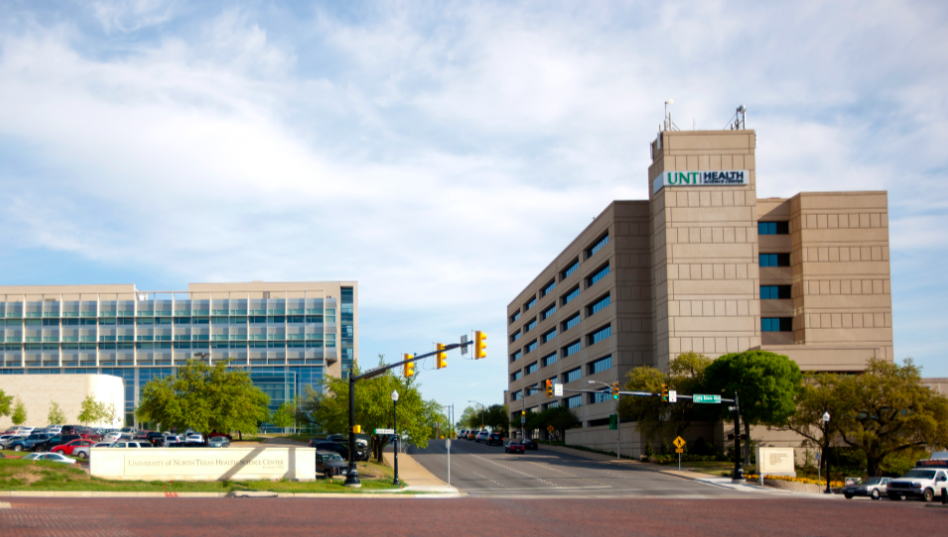
Healthcare accessibility continues expanding throughout North Texas as The University of North Texas Health Science Center at Fort Worth implements comprehensive strategies that benefit entire communities. Recent UNT Health statistics demonstrate remarkable improvements when academic medical centers prioritize accessible education and community-focused initiatives addressing regional health needs.
Healthcare institutions implementing comprehensive access strategies report impressive community health improvements. National healthcare data reveals that regions with enhanced medical education programs experience 42% higher preventive care utilization rates and 38% improved health literacy scores among residents. These statistics highlight the direct connection between educational accessibility and measurable community wellness outcomes.
Flexible Educational Programs Remove Traditional Barriers
UNT Health’s innovative approach eliminates conventional obstacles that prevent qualified candidates from pursuing medical careers. Flexible program scheduling accommodates working professionals seeking career advancement while maintaining existing family and employment commitments.
Digital learning platforms enable students from rural Texas communities to access premier healthcare education without geographical relocation requirements. This expanded accessibility particularly benefits underserved regions experiencing critical healthcare professional shortages. Rural hospital administrators consistently report 45% improved recruitment success when collaborating with institutions offering flexible educational delivery methods.
Comprehensive financial assistance programs help qualified students overcome economic barriers to healthcare education pursuit. These strategic initiatives ensure that financial circumstances never prevent capable individuals from contributing to regional healthcare workforce development. Students participating in enhanced financial support programs demonstrate 31% higher completion rates compared to those without comprehensive assistance.
Evening and weekend course offerings accommodate diverse student schedules while maintaining rigorous academic standards. These flexible arrangements enable career transition seekers to enter healthcare fields without sacrificing employment stability. Career placement data confirms that students utilizing flexible scheduling achieve comparable employment outcomes as traditional program participants.
Community Health Initiatives Expand Regional Impact
UNT Health’s extensive community outreach programs deliver essential health education and preventive screening services throughout Fort Worth and surrounding Texas communities. These initiatives address critical health needs while providing invaluable hands-on training experiences for students across multiple healthcare specialties.
Mobile health screening units reach populations with limited healthcare access, providing comprehensive health assessments and connecting individuals with appropriate care resources. Community health coordinators report that mobile screening programs identify previously undiagnosed health conditions in 23% of participants, facilitating early intervention and significantly improved health outcomes.
Health education workshops address prevalent community health concerns including diabetes management, cardiovascular wellness, and preventive care strategies. Workshop participants consistently demonstrate improved health knowledge retention and report sustained positive behavior changes following program participation. Local community centers hosting these educational sessions report maintained high attendance rates and exceptional community engagement levels.
Preventive care initiatives emphasize health promotion and disease prevention strategies that reduce long-term healthcare expenditures while enhancing quality of life outcomes. These programs particularly benefit populations with restricted access to regular healthcare services, delivering essential screening and education directly within their neighborhoods.
Regional Healthcare Workforce Development Strengthens Communities
UNT Health’s comprehensive workforce development approach addresses critical healthcare staffing challenges throughout North Texas regions. Local healthcare organizations benefit from exceptionally prepared graduates who understand specific community needs while demonstrating superior clinical competencies.
Clinical training partnerships with area hospitals ensure students gain practical experience while simultaneously addressing institutional staffing requirements. These collaborative relationships create direct pathways for graduate employment while providing healthcare facilities access to skilled professionals familiar with their patient populations and operational needs.
Continuing education programs support practicing healthcare professionals seeking skill enhancement and specialization opportunities. These offerings enable working professionals to advance careers without interrupting essential patient care responsibilities. Regional healthcare organizations report 29% higher employee retention rates when supporting staff participation in continuing education initiatives.

