
The rise of Instagram has revolutionized the fashion industry in ways that were unimaginable a decade ago. As a platform that thrives on visual storytelling, Instagram has become the go-to space for brands, influencers, and consumers to connect, share, and discover trends. This article explores how Instagram has transformed the fashion world, from its influence on consumer behavior to the rise of influencer marketing, and why it’s a vital tool for modern-day fashion marketing.
A New Era of Consumer Engagement
Instagram has redefined how fashion brands engage with their audiences. In the past, brands relied heavily on glossy magazine ads and seasonal runway shows to capture consumer attention. Today, they’re using Instagram to showcase their collections in real-time, reaching millions of followers with a single post.
With over 1.4 billion active users, Instagram provides unparalleled opportunities for direct engagement. Fashion enthusiasts no longer need to wait for print publications to spot the latest trends; they can simply scroll through their feeds. Stories, Reels, and live sessions allow brands to share behind-the-scenes moments, product launches, and exclusive content, fostering a sense of community and authenticity.
The Rise of Influencer Marketing
Through Instagram, the fashion industry witnessed a fundamental transformation by developing influencer marketing as a prominent trend. The fashion industry relies heavily on influencer marketing because both micro and major-name influencers now provide essential momentum to trends and revenue growth. Fashion influencers introduce emotional directness to promotional practices by placing consumer goods among naturally occurring situations.
Influencers also provide a cost-effective alternative to traditional advertising. For example, a partnership with a well-chosen influencer can generate immense brand exposure and credibility. By leveraging third-party tools like Instagram analytics tools, such as an Instagram reach calculator, brands can strategically plan campaigns and measure their potential impact, ensuring they get the best return on investment.
Democratizing Fashion
Instagram has played a crucial role in democratizing the fashion industry. It has given smaller, independent brands a platform to compete with established fashion houses. By using Instagram’s features like targeted ads and shoppable posts, these brands can reach global audiences without the need for hefty marketing budgets.
Moreover, Instagram has amplified diverse voices in the industry. Designers, models, and influencers from underrepresented communities now have a space to showcase their work and challenge traditional beauty standards. This shift has made the fashion industry more inclusive and reflective of the real world.
The Power of User-Generated Content
Instagram employs User-Generated Content (UGC) as its central power to transform how it affects the fashion industry. Brands motivate their clients to post images displaying their merchandise while providing official page features as a source of appreciation. Through this approach, brands establish trust while simultaneously fostering the growth of community bonds across their follower base.
Hashtags like #OOTD (Outfit of the Day) and #InstaFashion have become hubs for fashion inspiration. By tapping into these trends, brands can amplify their reach and gain insights into what their audiences love.
Real-Time Trends and Fast Fashion
Through its live update functions, Instagram has driven up the speed at which fashion trends emerge and disappear. Today’s hot trends quickly become outright tomorrow which forces brands to reduce and speed up their production schedules. Also and predominately the fast fashion industry profitably utilizes Instagram to spot upcoming fashion trends which quickly translate into speedy market releases.
Rapid cycle patterns within these retail models lead to sustainability worries. Rapid manufacturing and fast consumption produce environmental and ethical problems which have prompted industry discussions about sustainable industry practices.
Visual Commerce and Shoppable Features
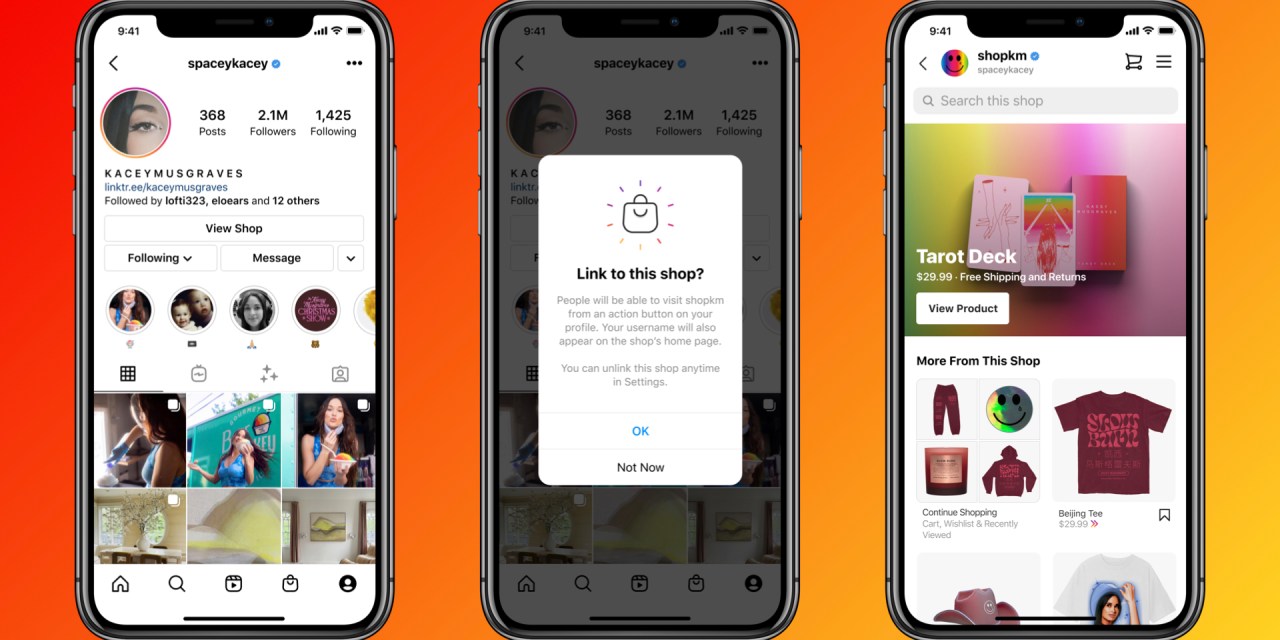
Instagram’s introduction of shoppable posts and in-app checkout has blurred the lines between browsing and buying. Users can now discover a product, learn about it, and make a purchase without ever leaving the app. This seamless shopping experience has made Instagram an indispensable tool for fashion e-commerce.
Brands can also leverage Instagram’s advanced analytics tools to track performance, optimize strategies, and better understand their audiences. Features like product tagging and Instagram Shops provide a direct path to purchase, enhancing conversion rates and simplifying the customer journey.
Challenges and Opportunities
Instagram provides vast opportunities to the fashion industry but it generates specific barriers alongside these benefits. The algorithm on the platform creates obstacles for small businesses trying to maximize visibility thus forcing them into paid promotion strategies. When individuals feel pressure to create impressive visual content they often present material that does not match their authentic identity.
Despite these challenges, the opportunities far outweigh the drawbacks. As technology continues to evolve, Instagram’s role in the fashion industry is likely to grow, offering even more innovative ways to connect with audiences.
Conclusion
Instagram has undoubtedly reshaped the fashion industry, turning it into a dynamic, inclusive, and fast-paced environment. From democratizing fashion to fostering real-time engagement and driving e-commerce, its impact is profound and far-reaching. As brands and influencers continue to harness the power of visual storytelling, the future of fashion marketing looks more vibrant than ever.
