
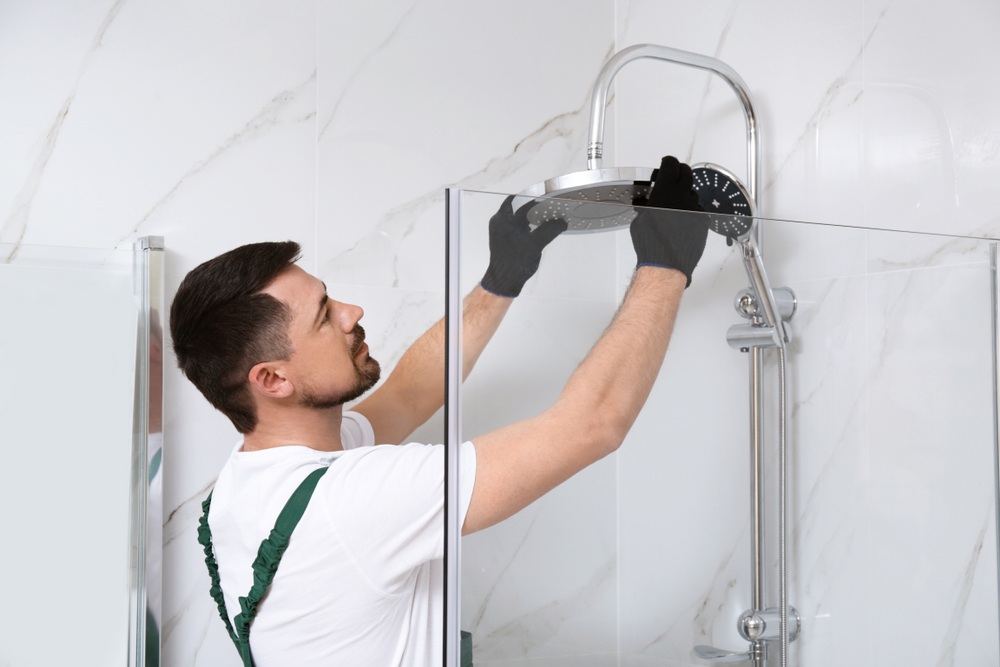
Choosing the right Shower Installation Services is essential for homeowners looking to upgrade an outdated bathroom, replace a failing shower system, or enhance comfort and usability. A shower is one of the most frequently used features in any home, and its installation requires precision, high-quality materials, and a clear understanding of plumbing and waterproofing standards. Whether you’re planning a simple replacement or a full custom design, knowing the fundamentals helps ensure a smooth, reliable installation that lasts for years.
A great starting point is understanding shower system types. Prefabricated shower units, often made from acrylic or fiberglass, are popular for their affordability, quick installation, and low maintenance. They resist mold and mildew and come in various sizes to fit most layouts. Custom tile showers, on the other hand, offer greater flexibility in design, allowing homeowners to choose tile shapes, colors, textures, and patterns. While tile systems require more labor and skill, they provide a high-end, personalized look unmatched by prefab units.
Shower walls play a crucial role in durability. Acrylic and solid-surface panels offer seamless designs that eliminate grout lines and simplify cleaning. Tile walls—whether ceramic, porcelain, or natural stone—add visual appeal and timeless character but depend heavily on proper waterproofing behind the tile. Waterproofing membranes, correctly installed cement backer boards, and high-quality sealants are essential to prevent leaks, mold, or structural damage.
The shower base is another key element. Prefab pans ensure consistent waterproofing and easy installation, while custom pans allow unique shapes or barrier-free entries. Materials like acrylic, cast iron, and solid-surface composites each offer different benefits in terms of comfort, longevity, and cost. Your choice often depends on your desired aesthetic, mobility needs, and bathroom layout.
Plumbing considerations significantly influence installation success. Showerheads, valves, diverters, and thermostatic controls must be installed precisely to ensure balanced pressure and consistent water temperature. Older homes may require pipe upgrades to meet modern flow requirements or address corrosion. Proper drain alignment and slope ensure water flows efficiently without pooling, especially important in large or curbless showers.
Ventilation must also be addressed. Without proper airflow, humidity can damage finishes over time. Installing a high-quality exhaust fan or improving ducting helps regulate moisture levels and protect your new shower investment.
For homeowners exploring upgrade options, mid-planning research often includes reviewing local providers through Shower Installation Specialists to compare craftsmanship, materials, and installation methods. Experienced specialists guide you through design choices, provide insights on maintenance, and help avoid pitfalls that can lead to leaks or premature wear.
Another important component of any shower installation is glass enclosures. Frameless glass is a favorite for modern bathrooms because it opens visual space and highlights tile work. Semi-frameless or framed options offer affordability and added structural support. Glass thickness, hardware quality, and door swing direction all influence usability and durability. Professionals measure these elements carefully to ensure a precise fit.
Waterproofing is arguably the most critical part of any shower installation. A properly installed waterproofing system prevents moisture intrusion behind walls and floors. Techniques vary—from sheet membranes to liquid-applied barriers—but the goal is the same: create a watertight envelope beneath the finish materials. Failure in this area can lead to severe long-term issues, making it essential to hire installers with proven expertise.
Tile selection also plays a big role in shower performance. Porcelain tile is the top choice for its density, water resistance, and durability. Larger tiles reduce grout lines, simplifying maintenance. Mosaic tiles work well on shower floors because they conform to slopes more easily and provide traction. Natural stone requires more frequent sealing and maintenance but offers unmatched warmth and character.
Grout type matters as well. Epoxy grout resists stains and moisture better than cement-based grouts, though it requires specialty installation. Color choices influence the final look—contrasting grout highlights tile patterns, while matched grout creates a seamless appearance.
Once the major components are installed, final touches include fixtures such as handheld sprays, rainfall heads, shelving niches, and grab bars. Built-in niches maximize storage without affecting the shower footprint, while corner shelves offer a simpler alternative. These details personalize your shower and improve daily convenience.
After installation, proper curing, sealing (if required), and cleaning routines ensure long-lasting performance. Your installer should provide maintenance instructions, including when to reseal grout or stone and which cleaning products are safe to use.
As you narrow down your choices, browsing listings from California business network can help you compare installers, check customer reviews, and confirm a company’s reliability. These insights allow you to select professionals who deliver quality workmanship and satisfied clients.
A new shower enhances comfort, improves bathroom aesthetics, and adds long-term value to your home. By understanding materials, installation practices, and the importance of experienced professionals, you can move forward with confidence.
When you’re ready to begin, explore design options, gather quotes, and choose a specialist who prioritizes waterproofing, precision, and craftsmanship—ensuring your new shower looks beautiful and performs flawlessly.

