Dado rails might sound like an architectural term from centuries past, but these horizontal moldings are experiencing a remarkable comeback in modern interior design. Originally used to protect walls from furniture damage in the 18th and 19th centuries, dado rails have evolved into sophisticated design elements that can transform any room. If you’ve been wondering whether these decorative features belong in your home, the answer might surprise you.
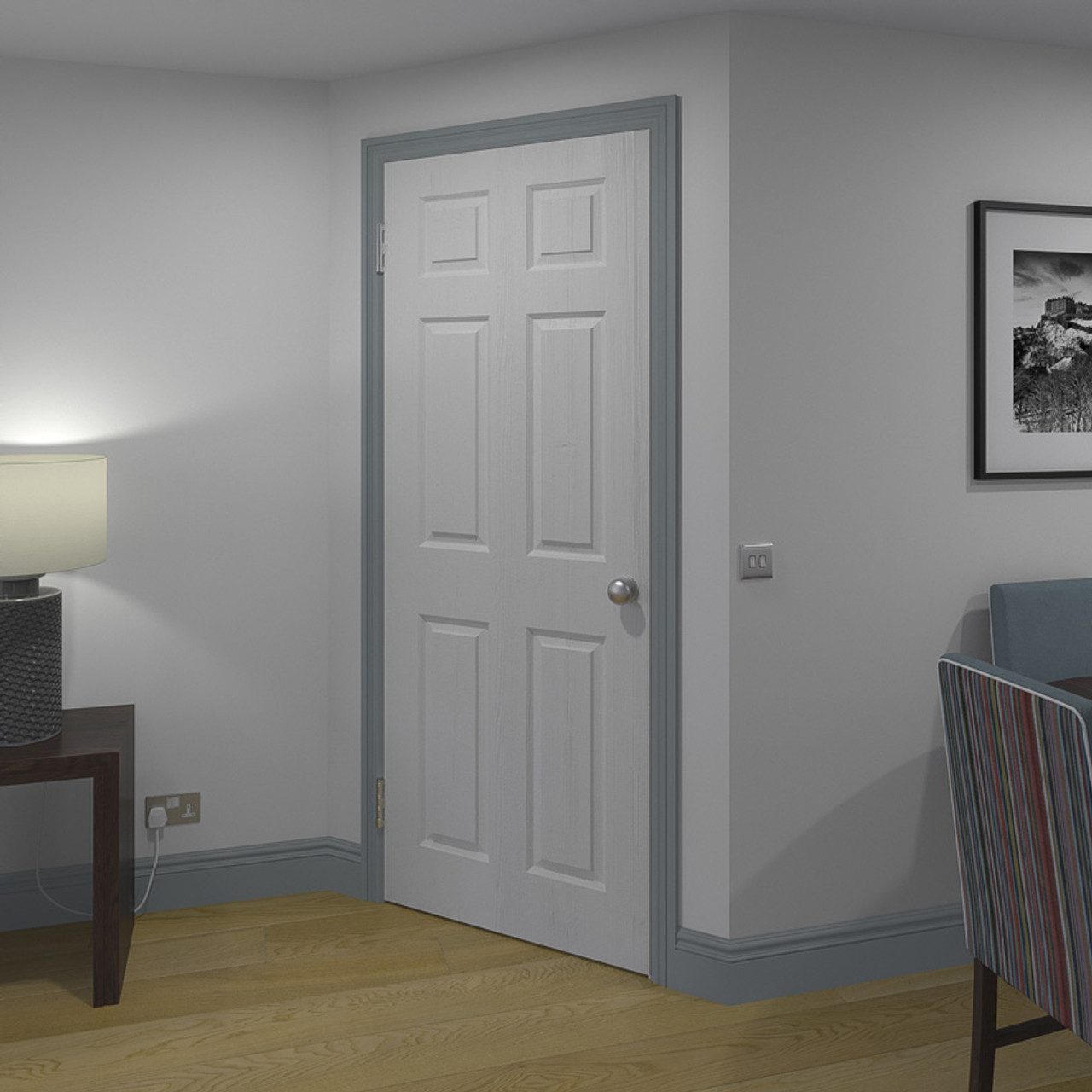
A dado rails, also known as a chair rail, is a horizontal strip of wood or composite material installed along the perimeter of a room, typically positioned between 32 and 36 inches from the floor. This placement corresponds to the average height where chair backs would naturally rest against walls. While their protective function remains relevant, contemporary dado rails serve multiple purposes that extend far beyond wall preservation.
Recent interior design surveys indicate that homes with architectural details like dado rails can increase property values by 3-5%. This statistic reflects growing buyer appreciation for character features that distinguish properties in competitive markets. Understanding the full scope of benefits that dado rails offer can help you make an informed decision about incorporating them into your living space.
What exactly is a dado rail and where does it go?
A dado rail divides your wall into two distinct sections: the lower portion called the dado or wainscot, and the upper section extending to the ceiling. Traditional installations place the rail at chair height, but modern applications offer more flexibility in positioning based on room proportions and design goals.
The rail itself can range from simple, streamlined profiles to elaborate decorative moldings with intricate details. Materials vary widely, from traditional hardwoods like oak and pine to modern alternatives including MDF, PVC, and composite materials that offer durability and cost-effectiveness.
Installation typically involves securing the rail directly to wall studs or using appropriate anchors for drywall applications. Professional installation ensures proper alignment and secure mounting, though many homeowners successfully complete this project as a DIY endeavor with basic carpentry skills.
How do dado rails protect my walls from damage?
The protective benefits of dado rails remain as relevant today as they were centuries ago. Chairs, vacuum cleaners, and everyday household activities frequently cause scuffs, dents, and scratches on walls. A properly installed dado rail absorbs this impact, preserving your wall finish and reducing maintenance costs.
Statistics from home maintenance studies show that walls with protective moldings require 40% fewer touch-up paint jobs compared to unprotected surfaces. This translates to significant savings in both materials and labor over time. The rail essentially creates a barrier that takes the brunt of daily wear and tear.
Beyond furniture contact, dado rails protect against other common wall damages. Moving furniture, pet scratches, and accidental impacts from household items all affect the rail rather than the wall surface. This protection proves particularly valuable in high-traffic areas like hallways, dining rooms, and children’s play spaces.
Why do dado rails make rooms look more expensive and sophisticated?
Architectural details like dado rails add visual interest and depth to otherwise plain walls. They create horizontal lines that can make rooms appear wider and more proportioned. This visual enhancement contributes to an overall sense of craftsmanship and attention to detail that elevates the entire space.
Interior design professionals report that rooms with dado rails consistently receive higher ratings for perceived luxury and sophistication. The horizontal division creates opportunities for creative paint treatments, wallpaper applications, and decorative techniques that would be impossible on unbroken wall surfaces.
The shadow lines created by properly installed dado rails add dimensional interest that changes throughout the day as lighting conditions shift. This subtle play of light and shadow contributes to the dynamic visual appeal that makes spaces feel more engaging and thoughtfully designed.
How can dado rails help me create better room proportions?
Room proportion challenges affect many homes, particularly those with unusually high or low ceilings. Dado rails offer effective solutions for these common design dilemmas. Installing rails lower than standard height can make tall ceilings feel more intimate and appropriately scaled for furniture and occupants.
Conversely, positioning dado rails slightly higher than traditional placement can create the illusion of increased ceiling height in rooms that feel cramped or low. This optical adjustment works particularly well when combined with strategic paint choices that emphasize the proportional change.
Recent architectural studies demonstrate that rooms with horizontal design elements like dado rails score 25% higher on comfort and livability assessments. This improvement stems from the psychological impact of well-proportioned spaces on occupant satisfaction and perceived room quality.
What decorative opportunities do dado rails create?
Dado rails open up numerous creative possibilities that single-surface walls cannot accommodate. The upper and lower sections can receive different treatments, allowing for bold contrasts or subtle variations that add visual complexity without overwhelming the space.
Popular two-tone paint schemes use darker colors below the rail and lighter shades above, creating a grounding effect that makes rooms feel more stable and well-anchored. Alternatively, wallpaper below the rail with paint above offers opportunities to incorporate patterns and textures while maintaining visual balance.
Decorative painting techniques like wainscoting effects, textured finishes, and even faux treatments become more manageable when contained within the defined areas created by dado rails. These bounded spaces make experimental design choices feel more controlled and intentional.
How do dado rails increase my property value?
Real estate professionals increasingly recognize architectural details as value-adding features that differentiate properties in competitive markets. Homes with period-appropriate details like dado rails appeal to buyers seeking character and craftsmanship that mass-produced construction often lacks.
Market analysis from recent home sales indicates that properties with architectural moldings, including dado rails, command premium prices averaging 3-5% above comparable homes without these features. This premium reflects buyer willingness to pay for perceived quality and unique design elements.
The return on investment for dado rail installation typically exceeds the initial cost, especially when homeowners handle installation themselves or combine the project with other renovations. Professional installation costs vary by region and complexity, but most projects recoup their investment through increased property value.
Are dado rails suitable for modern and contemporary homes?
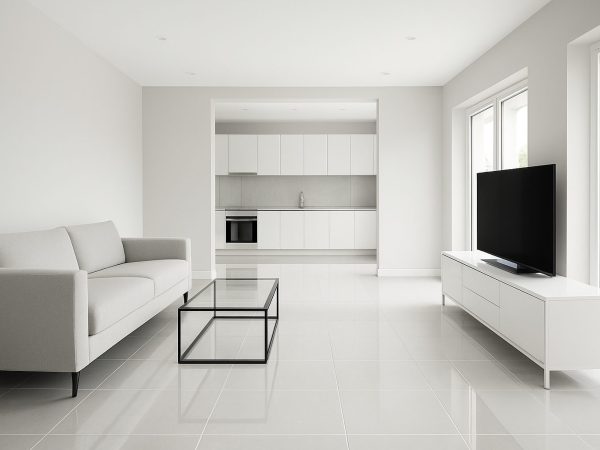
Contemporary interior design increasingly embraces architectural details that add character to minimalist spaces. Modern dado rails feature clean lines and simple profiles that complement rather than compete with contemporary furnishings and design philosophies.
Simplified rail designs work particularly well in transitional spaces that blend traditional and modern elements. These installations provide the visual interest and proportional benefits of traditional dado rails while maintaining the clean aesthetic that contemporary design demands.
Current design trends show a 30% increase in dado rail installations in newly constructed homes over the past five years. This growth reflects changing preferences toward homes with distinctive character features rather than generic builder-grade finishes.
Making the right choice for your home
Dado rails offer compelling benefits that extend far beyond their historical protective function. They provide wall protection, enhance room proportions, create decorative opportunities, and increase property value while accommodating both traditional and contemporary design preferences.
Consider your specific needs, design goals, and budget when evaluating dado rails for your home. Whether you choose simple profiles for subtle enhancement or elaborate moldings for dramatic impact, these architectural elements can transform ordinary rooms into sophisticated, well-proportioned spaces that reflect thoughtful design and attention to detail.